

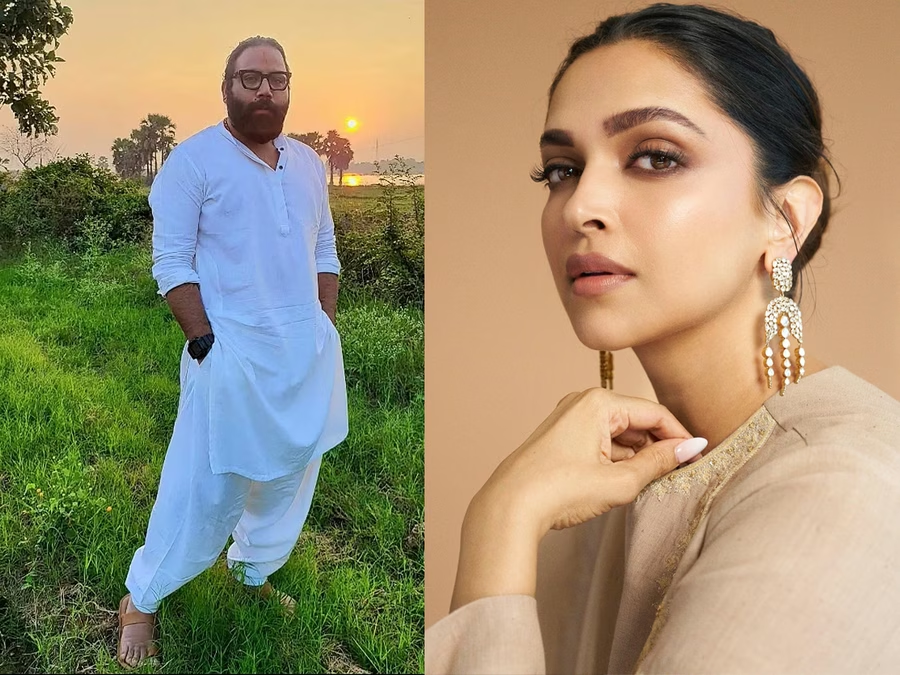

The Indian entertainment industry is currently witnessing one of its most significant discussions in recent years. What initially appeared to be a professional disagreement involving Deepika Padukone and filmmaker Sandeep Reddy Vanga has evolved into a much larger debate about working conditions, work-life balance, professional expectations, and the future of Bollywood’s workplace culture.
The discussion has quickly become one of the most talked-about topics in Bollywood news, celebrity updates, entertainment industry trends, and film production discussions. More importantly, it has sparked conversations that extend far beyond cinema and resonate with professionals across multiple industries.
For decades, Bollywood has been known for its demanding work schedules. Actors, directors, technicians, production teams, and crew members often work long hours under tight deadlines. Large-scale productions require extensive coordination, international travel, promotional commitments, and physically demanding schedules. While these conditions have traditionally been viewed as part of the profession, changing workplace expectations are challenging old industry norms.
The reported disagreement between Deepika Padukone and Sandeep Reddy Vanga has become symbolic of this larger shift. Rather than being viewed simply as a celebrity controversy, many people see the situation as a reflection of changing attitudes toward work culture and professional well-being.
Deepika Padukone has long been recognized not only for her successful film career but also for her advocacy regarding mental health and personal well-being. Over the years, she has frequently spoken about the importance of maintaining balance between professional commitments and personal health. Because of this, discussions involving her often generate broader conversations about workplace expectations and employee welfare.
On the other hand, Sandeep Reddy Vanga represents a generation of filmmakers known for ambitious storytelling, intense production schedules, and highly demanding creative processes. Directors operating at this level often face enormous pressure to deliver commercially successful projects while managing complex production logistics.
The debate surrounding working hours has therefore highlighted two perspectives that exist in many professional industries. One side emphasizes the importance of dedication, flexibility, and meeting project requirements. The other focuses on sustainability, personal well-being, and creating healthier work environments.
The topic has gained additional attention because modern audiences are increasingly interested in what happens behind the scenes of the entertainment industry. Today’s viewers do not simply consume films and television shows. They follow celebrity interviews, production updates, digital entertainment trends, and industry developments through social media and streaming platforms.
This increased transparency has encouraged more open discussions about issues that were once rarely addressed publicly. Topics such as workplace stress, mental health awareness, employee rights, flexible working arrangements, and professional burnout have become important parts of broader cultural conversations.
One of the reasons this debate has resonated so strongly is because it reflects challenges faced by millions of professionals outside Bollywood. Across industries such as technology, finance, healthcare, education, and digital marketing, employees are increasingly seeking healthier work-life balance. The idea that professional success should not come at the expense of physical and mental well-being has gained widespread acceptance.
The entertainment industry is not immune to these changing expectations. Actors today juggle film projects, brand endorsements, social media obligations, business ventures, international events, and personal commitments. Maintaining this level of activity can be extremely demanding, even for highly successful celebrities.
The rise of digital entertainment and OTT platforms has further intensified competition within the industry. Streaming services constantly seek fresh content, leading to increased production activity and tighter schedules. While this expansion has created new opportunities, it has also increased pressure on creative professionals.
Many observers believe the current debate could encourage Bollywood to reevaluate traditional production practices. As the entertainment business becomes more global, industry standards may continue evolving to align with international workplace expectations. This could include greater attention to scheduling, employee welfare, and sustainable production methods.
Another important aspect of the discussion involves gender dynamics within the entertainment industry. Female actors often face unique challenges related to career management, family responsibilities, public scrutiny, and professional expectations. As more women take leadership roles within cinema, conversations about workplace flexibility and equitable treatment are becoming increasingly relevant.
The situation has also highlighted the growing influence of social media in shaping public opinion. Every statement, interview, or industry rumor can quickly become a trending topic. Fans, entertainment journalists, industry professionals, and influencers actively participate in discussions, transforming private workplace issues into nationwide conversations.
From an SEO and digital media perspective, topics involving workplace culture, celebrity lifestyle, entertainment business, film industry updates, mental health awareness, digital streaming, OTT releases, celebrity net worth, and Bollywood controversy consistently attract significant audience engagement. The intersection of celebrity culture and professional development creates particularly strong reader interest.
Another reason this debate continues to gain attention is because it raises fundamental questions about the future of work itself. Technology has changed how people communicate, collaborate, and manage professional responsibilities. Flexible schedules, remote work arrangements, and employee wellness initiatives have become common across many industries.
As these trends continue expanding, entertainment professionals may increasingly seek similar improvements within their own field. The expectation that employees should maintain healthy personal lives while pursuing ambitious careers is becoming more mainstream across society.
The discussion has also generated interest among younger audiences entering the workforce. Many members of Generation Z and younger millennials prioritize flexibility, mental health support, career satisfaction, and sustainable work environments. These values influence not only career choices but also public perceptions of employers and industries.
Bollywood’s response to these changing attitudes may play an important role in shaping its future reputation. The industry has already demonstrated an ability to adapt to technological changes, evolving audience preferences, and global market opportunities. Addressing workplace concerns could become another area of transformation.
Business analysts often note that healthy workplace cultures contribute to higher productivity, better employee retention, and stronger long-term performance. While creative industries involve unique challenges, sustainable work practices can benefit both individuals and organizations.
For filmmakers, balancing creative ambition with practical workplace considerations remains a complex challenge. Major productions require significant investments, strict timelines, and extensive coordination. However, maintaining healthy professional environments may become increasingly important as talent gains greater influence over project decisions.
The ongoing conversation surrounding Deepika Padukone and Sandeep Reddy Vanga therefore represents more than a celebrity headline. It reflects broader shifts occurring throughout modern workplaces. Questions about work-life balance, employee well-being, productivity, and professional expectations are relevant across industries and professions.
As Bollywood continues evolving in response to changing audience preferences and global industry trends, workplace culture may become an increasingly important topic. The current debate has already encouraged meaningful conversations about how success should be defined and what sustainable careers should look like in the entertainment business.
Ultimately, the discussion is not simply about one actress, one filmmaker, or one project. It is about the future of professional work itself. In an era where personal well-being and career success are increasingly viewed as complementary rather than conflicting goals, the entertainment industry finds itself at the center of a conversation that extends far beyond the world of cinema.
Whether immediate changes occur or not, this debate has already succeeded in bringing workplace culture into the spotlight. That alone makes it one of the most important and relevant entertainment industry discussions of 2026.


