

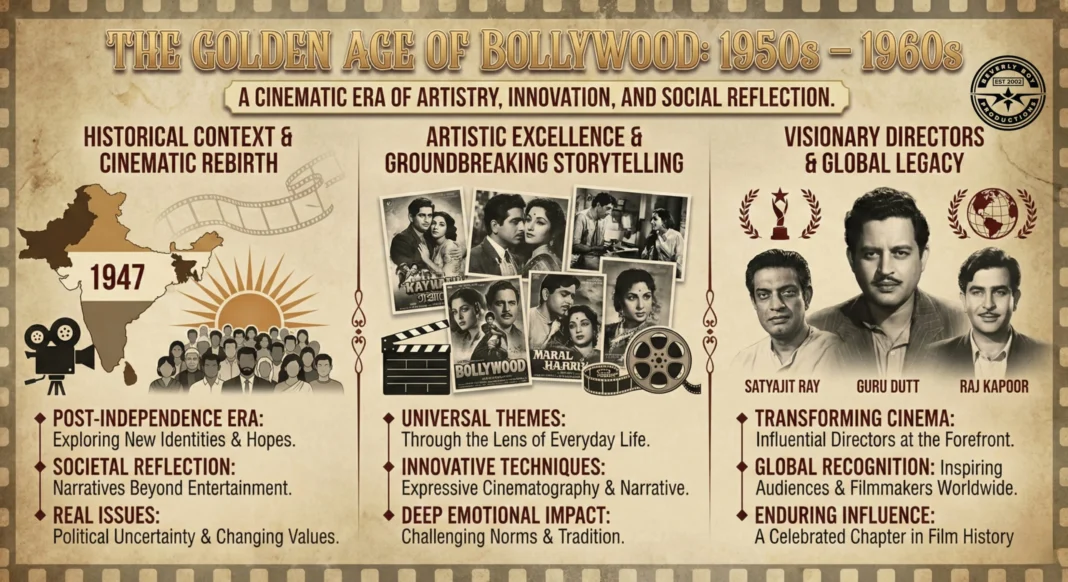

The Bollywood industry is experiencing a creative transformation unlike anything seen in previous decades. While established filmmakers continue to play an important role, a new generation of young directors is rapidly reshaping the future of Indian cinema. These emerging storytellers are bringing fresh perspectives, innovative filmmaking techniques, and modern narratives that resonate strongly with contemporary audiences.
The rise of young directors is not only changing the way films are made but also influencing the business of entertainment itself. From content-driven cinema and digital storytelling to OTT platforms and experimental filmmaking, young filmmakers are challenging traditional formulas and introducing new ways of engaging audiences.
For many years, Bollywood relied heavily on established storytelling patterns. Films often followed familiar structures centered around romance, family drama, action, and larger-than-life heroes. While these themes remain popular, younger directors are expanding the creative possibilities of Indian cinema by exploring diverse genres, complex characters, and unconventional narratives.
One of the primary reasons for this shift is changing audience preferences. Modern viewers have access to global entertainment through streaming platforms, digital content, international cinema, and social media. This exposure has broadened expectations and increased demand for fresh storytelling approaches.
Today’s audiences are more willing to embrace unique stories, realistic characters, and innovative filmmaking styles. Young directors understand these evolving preferences because they belong to the same digital generation that consumes content across multiple platforms. Their understanding of contemporary culture helps them create films that feel relevant and authentic.
The rise of OTT platforms has significantly accelerated this transformation. Streaming services have created opportunities for directors to experiment with storytelling without the same commercial pressures often associated with theatrical releases. Digital entertainment allows filmmakers to explore niche subjects, long-form narratives, and unconventional genres.
This freedom has encouraged young directors to take creative risks. Many are focusing on themes such as identity, ambition, relationships, social change, technology, mental health, and modern lifestyles. These topics resonate strongly with younger audiences who seek stories that reflect their experiences and perspectives.
Technology has also played a major role in empowering emerging filmmakers. Advances in digital cinematography, editing software, visual effects, and production tools have reduced barriers to entry. Talented directors can now create high-quality content with more accessible resources than ever before.
The growth of film schools, online learning platforms, and digital content creation has contributed to the rise of new talent. Aspiring filmmakers have access to educational resources, industry knowledge, and creative tools that help them develop their skills and bring their ideas to life.
One of the most notable characteristics of young directors is their emphasis on authenticity. Rather than relying solely on traditional formulas, many prioritize realistic storytelling, emotional depth, and relatable characters. Audiences increasingly appreciate narratives that feel genuine and grounded in contemporary realities.
This focus on authenticity has contributed to the success of content-driven cinema. Films are being evaluated more on storytelling quality than on star power alone. As a result, directors have become increasingly important figures within the entertainment industry, with audiences paying closer attention to creative vision and narrative execution.
The business side of Bollywood has also evolved. Producers and investors are recognizing the commercial potential of innovative storytelling. Successful content-driven films have demonstrated that audiences are willing to support fresh ideas when they are presented effectively.
Digital marketing has further strengthened the influence of young directors. Social media platforms allow filmmakers to connect directly with audiences, share creative insights, and build personal brands. This visibility helps directors establish recognition and attract attention to their projects.
The growing importance of audience engagement has changed how films are promoted and discussed. Viewers often follow directors on social media, watch interviews, participate in online discussions, and engage with behind-the-scenes content. This direct connection enhances audience interest and creates stronger emotional investment in films.
Another significant contribution of young directors is genre diversification. While traditional Bollywood genres remain popular, emerging filmmakers are exploring thrillers, psychological dramas, crime stories, science fiction, dark comedies, coming-of-age narratives, and experimental cinema.

This diversification benefits the entertainment industry by attracting a wider range of viewers. Different audience segments can now find content that aligns with their interests, contributing to overall market growth and increased consumer engagement.
The influence of global cinema is evident in many modern Bollywood productions. Young directors often draw inspiration from international storytelling techniques while maintaining uniquely Indian cultural contexts. This combination creates films that feel both globally relevant and locally authentic.
The rise of pan-India cinema has also encouraged creative innovation. Directors are increasingly creating stories designed to appeal to audiences across different regions and languages. This broader perspective has contributed to more ambitious projects and larger-scale storytelling.
Collaboration has become another defining feature of the new generation. Young directors frequently work closely with writers, cinematographers, editors, music composers, and production designers to create cohesive artistic visions. This collaborative approach often results in richer and more polished final products.
The entertainment industry’s growing reliance on data analytics has further influenced storytelling strategies. Streaming platforms and digital services provide valuable insights into audience preferences, viewing habits, and content performance. Young directors often use this information to better understand viewer expectations while maintaining creative integrity.
The success of emerging filmmakers has encouraged studios to invest in new talent. Production companies recognize that fresh perspectives can help them remain competitive in an increasingly crowded entertainment market. As a result, opportunities for first-time and early-career directors continue to expand.
The rise of female directors is another important aspect of this transformation. Women filmmakers are bringing new voices and perspectives to Bollywood, contributing to greater diversity in storytelling and expanding the range of narratives available to audiences.
The influence of young directors extends beyond individual films. Their work is helping reshape industry culture, encouraging innovation, experimentation, and creative risk-taking. This environment benefits both audiences and professionals by fostering continuous artistic growth.
The financial impact of this shift is also significant. Successful films generate revenue through theatrical releases, OTT platform deals, streaming rights, digital advertising, international distribution, and brand partnerships. Strong storytelling enhances commercial performance across these revenue streams.
Social media discussions, audience reviews, and online engagement have become increasingly important indicators of success. Young directors often excel at creating content that sparks conversation and generates digital visibility, further increasing the reach of their projects.
The future of Bollywood appears closely connected to the continued growth of emerging talent. As technology evolves and audience expectations continue changing, fresh perspectives will remain essential for maintaining industry relevance and competitiveness.
Artificial intelligence, virtual production, advanced visual effects, and interactive storytelling technologies may further expand creative possibilities in the coming years. Young directors are particularly well-positioned to embrace these innovations because of their familiarity with digital culture and technological trends.
Ultimately, the rise of young directors represents one of the most exciting developments in modern Bollywood. Their willingness to challenge conventions, experiment with new ideas, and embrace contemporary storytelling has injected fresh energy into the entertainment industry.
They are proving that success no longer depends solely on traditional formulas. Instead, audiences are rewarding originality, authenticity, and creative vision. By combining artistic innovation with an understanding of modern consumer behavior, young directors are helping shape the future of Indian cinema.
As Bollywood continues evolving in response to technological advancements and changing audience preferences, the influence of these emerging storytellers will only grow stronger. Their contributions are redefining what Bollywood can be and ensuring that the industry remains vibrant, dynamic, and relevant for future generations.


